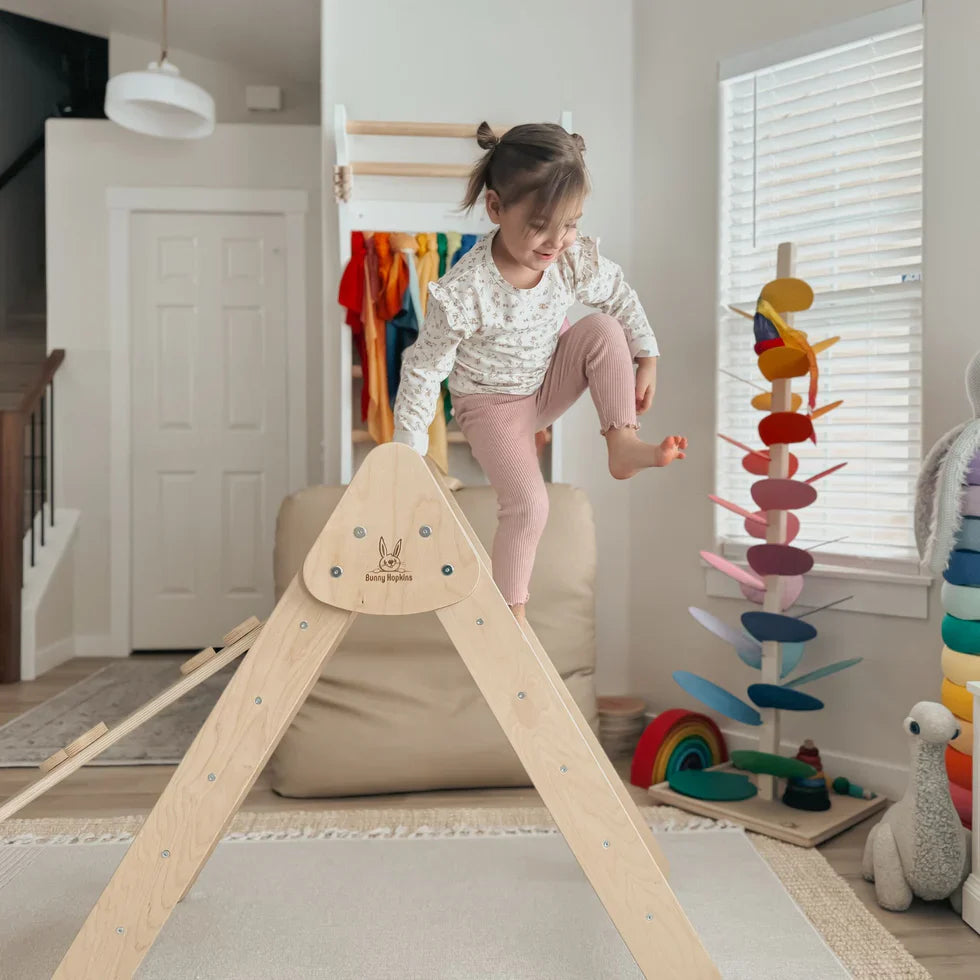
Shop Best Sellers


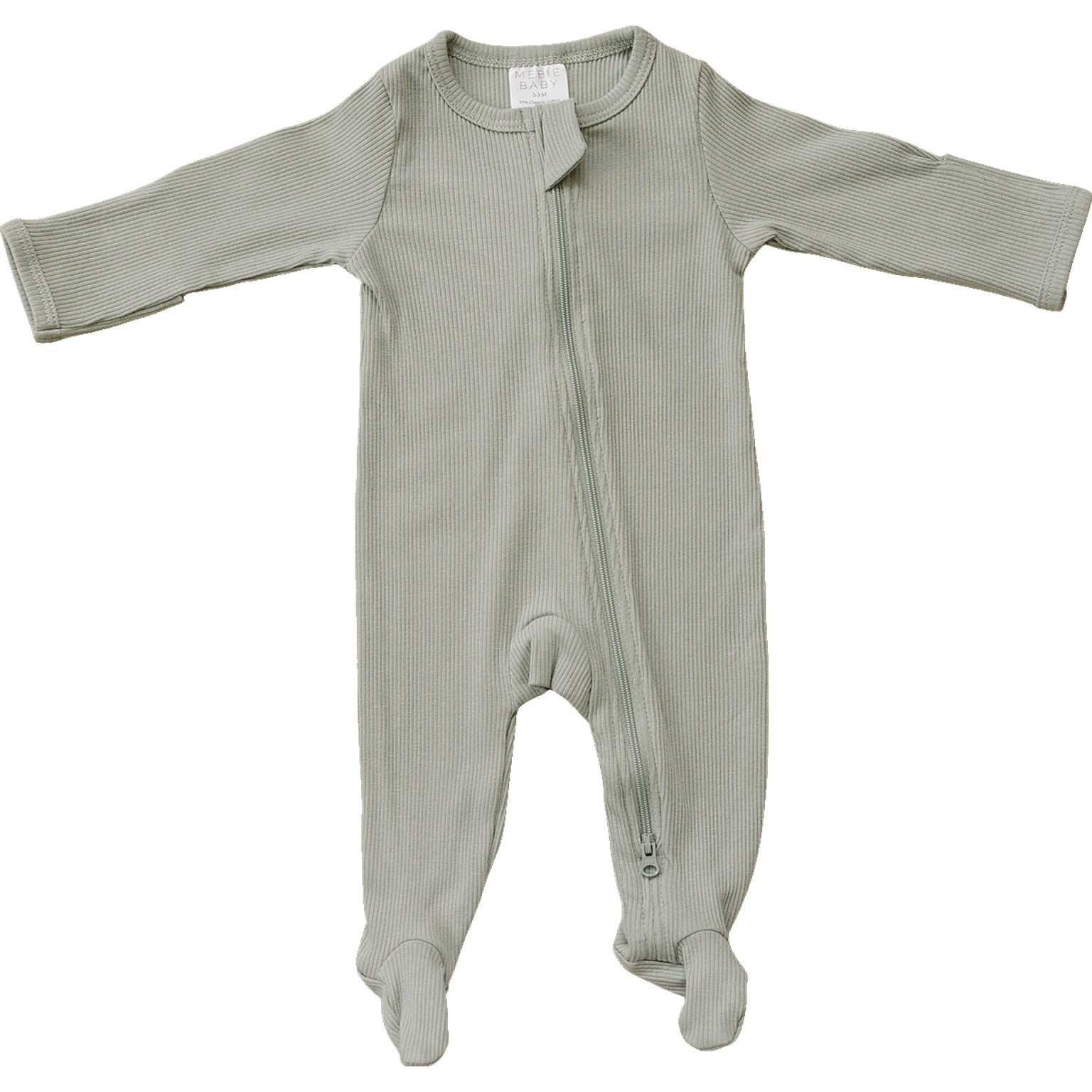
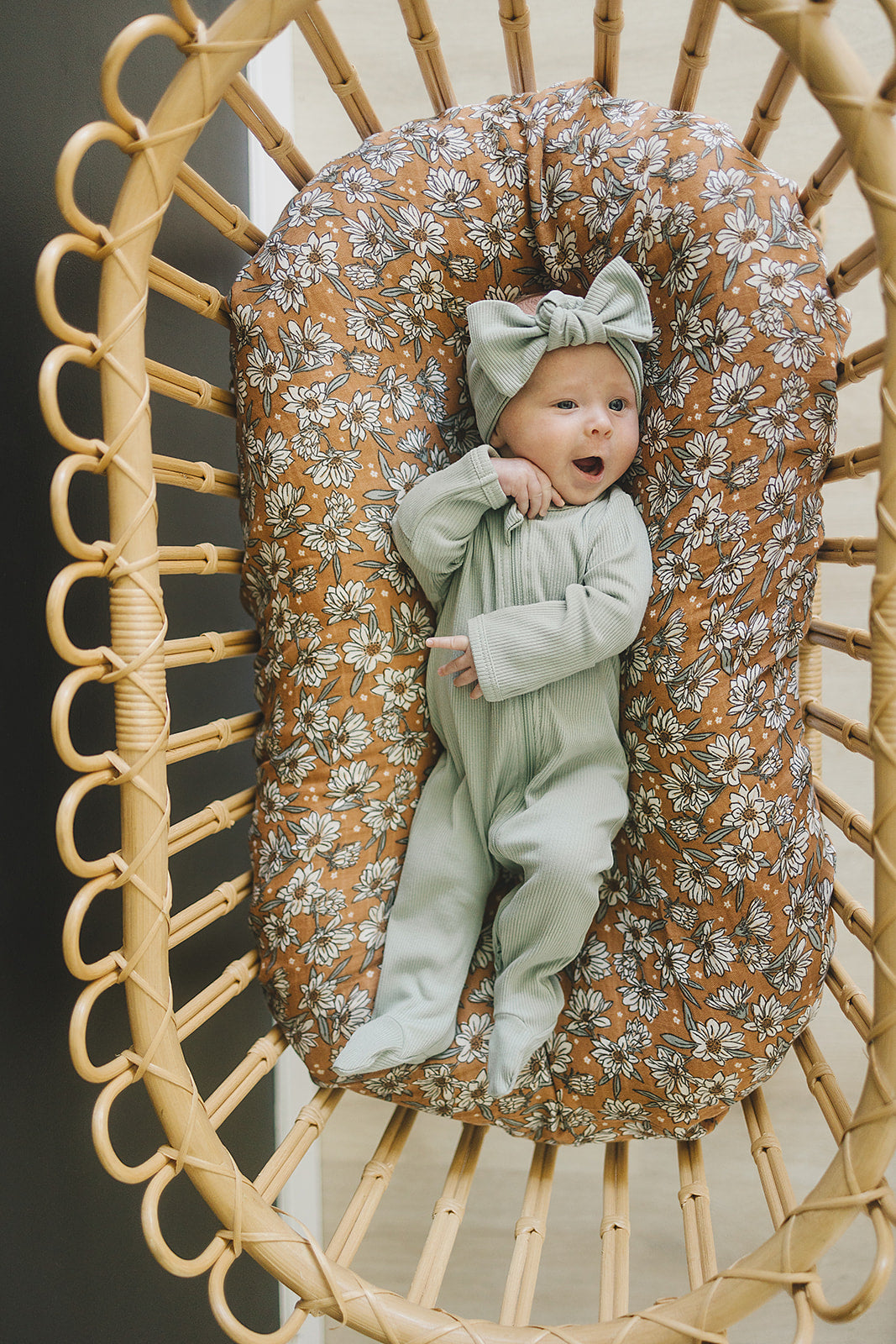


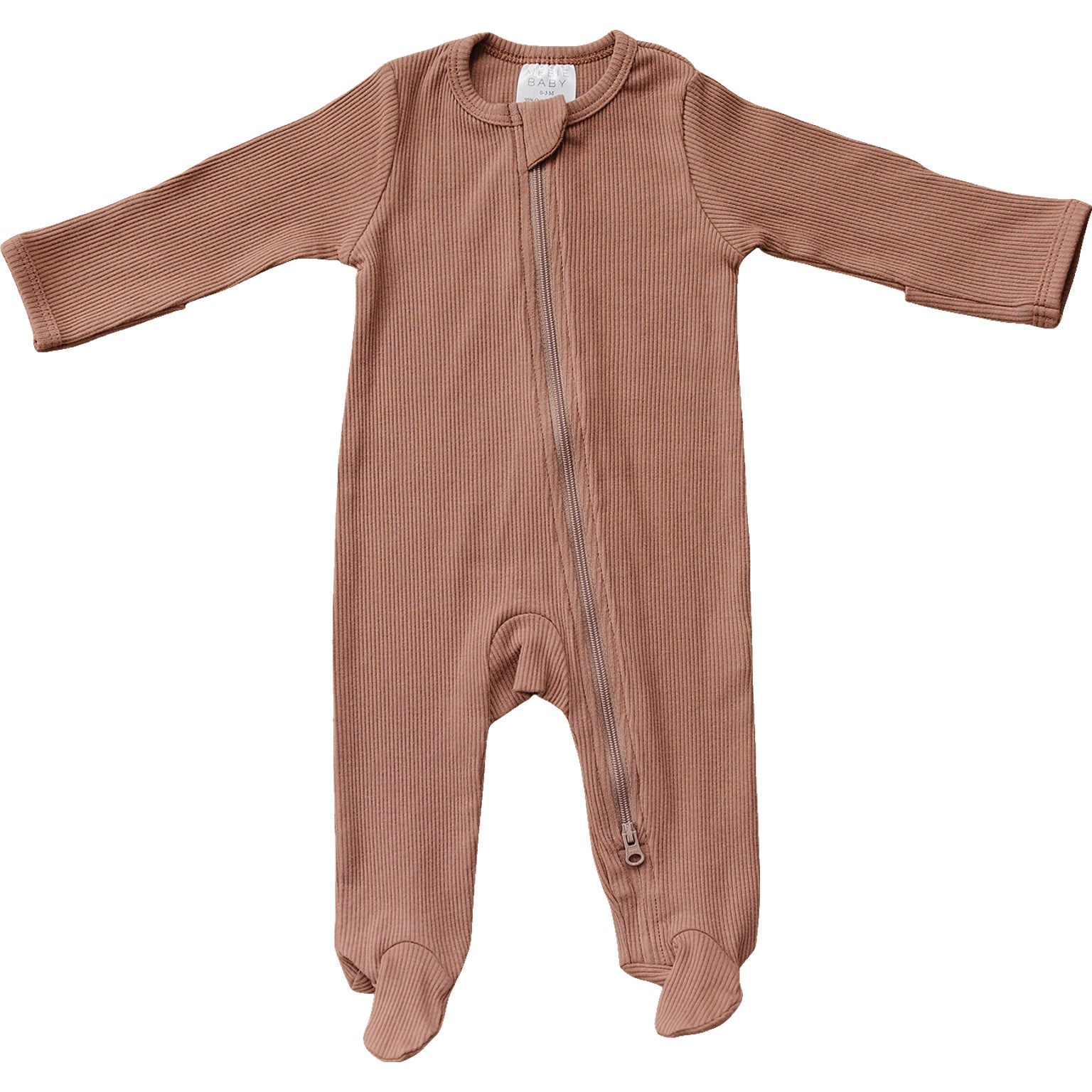
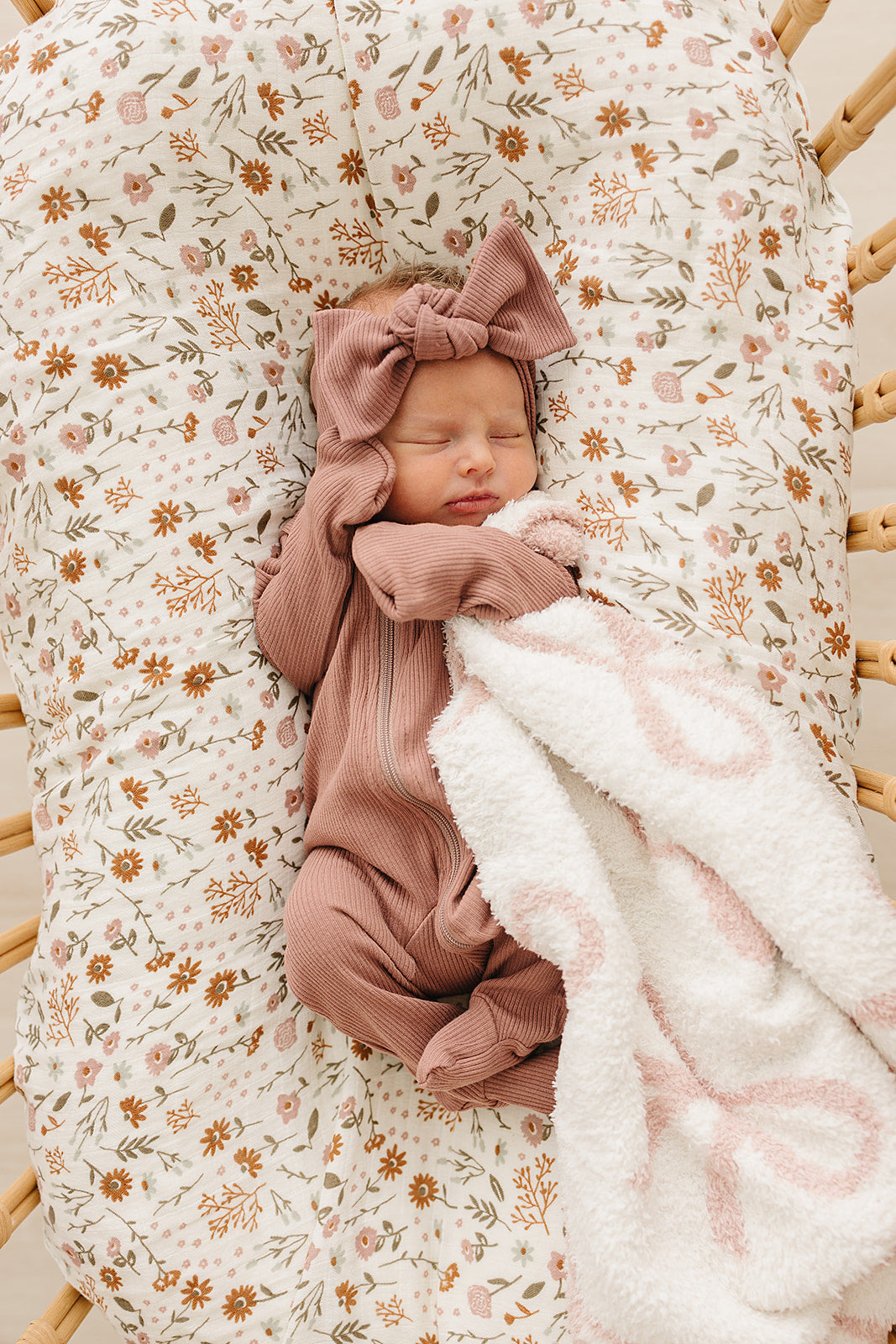



Amanda's Favorites

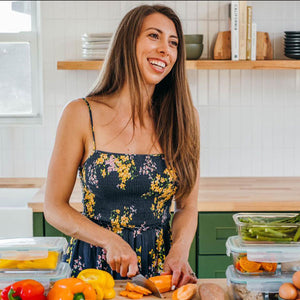
I’ve spent years making nutrition & healthy living simple. Now I’m doing the same for babies.
As a mom of two, I know how hard it is to shop for clean, non-toxic baby essentials. Simple Steps Market makes it easy!


Why Simple Steps?

Ingredient Transparency
No hidden toxins, ever. We carefully vet every product so you don’t have to.
Strict Standards
From baby food made without seed oils to clothes made without pesticides, only the cleanest and safest options make the cut.
Backed by Experts
Our selection is guided by leading experts in health, wellness, and non-toxic living.
Made for Conscious Parents
Whether you're a first-time parent or simply looking for better options, we make healthy choices simple.


Trusted by Thousands of Parents

Natty
I’m honestly so glad something like this exists. You’re right, it’s incredibly hard to find truly safe products without needing a chemistry degree to decode labels!


Paige Freeman
I love what your brand stands for and your mission.


Marylynn F.
Great experience shopping on Simple Steps and great product selection!!
Most Baby Products Aren't As Safe As You Think

Hidden Toxins
Many baby brands look healthy, but they still contain hidden toxins—things like chemicals, preservatives, and synthetic materials that can be harmful to your little one.

Misleading Labels
Even products labeled 'natural' or 'organic' can still contain questionable ingredients. Companies use buzzwords and certifications to appear clean, but many still include synthetic additives and preservatives that don't belong in baby products.

Lack of Transparency
Brands aren't always upfront about what's really in their products. Ingredients can be hidden under vague terms like 'fragrance' or proprietary blends, making it hard to know what you're actually using on your baby.
That's why we created Simple Steps Market—a place where you can find only the cleanest, safest baby products in one easy-to-shop marketplace.

Better-for-baby essentials

No harsh ingredients

Expert approved

All in one place
Your Baby Deserves Better


A Marketplace You Can Trust

Founded by a team of health-conscious parents and experts, Simple Steps Market was created to take the guesswork out of choosing what's best for your little one. Because when it comes to your baby's health, every step matters.

How Simple Steps Was Born





Kevin Fitzgerald
When my wife and I started our baby registry, we were overwhelmed—so after becoming a dad, I knew parents needed an easier way to shop non-toxic with confidence.
Simple Steps Journal

Best Non-Toxic Baby Carriers & Stroller Guide
TL;DR for Busy Parents: Best carrier materials: GOTS-certified organic cotton, linen, or hemp (no synthetic fabrics that shed microplastics). Best stroller frames: aluminum or steel (not plastic that can contain BPA or phthalates). Avoid flame retardant padding, PVC rain covers, and synthetic mesh panels. Look for minimal padding, natural fabrics, and metal hardware. Shop our vetted carrier collection. When we started researching baby carriers, I assumed the biggest decision would be between a wrap, ring sling, or structured carrier. Then Kyle pointed out that most carriers are made from synthetic fabrics (polyester, nylon) that shed microplastics with every wash and can contain flame retardants in the padding. Baby carriers and strollers are in constant contact with your baby's skin for hours every day. Whatever fabric touches them gets absorbed through their skin. Whatever padding is pressed against their face gets inhaled. And whatever materials are used in the frame and components can leach chemicals when exposed to heat, sunlight, and repeated use. After researching dozens of options, we landed on carriers made from GOTS-certified organic cotton with minimal padding and metal hardware. For our stroller, we prioritized an aluminum frame over plastic and avoided anything with excessive foam padding (which almost always contains flame retardants). Here's what actually matters and what you can skip. Why Carrier & Stroller Materials Matter Baby carriers keep your baby pressed against fabric for hours at a time. That fabric is against their skin, near their face, and often touching their mouth (because babies chew on everything within reach). Whatever that fabric is made from matters just as much as the clothing you put on their body. Most conventional carriers use synthetic fabrics like polyester or nylon because they're cheap, durable, and come in lots of colors. But synthetic fabrics are essentially plastic. They shed microplastic fibers with every wash, release VOCs (volatile organic compounds) when new, don't breathe well (causing overheating), and often contain chemical finishes (water repellents, stain treatments, wrinkle resistance) that can irritate sensitive skin. The padding in carriers and strollers is another concern. Foam padding is required to meet flammability standards, which means it contains flame retardants. These chemicals (PBDEs, chlorinated tris, others) are linked to developmental delays, lowered IQ, and hormone disruption. They migrate out of foam over time and end up in house dust and on baby's skin. Stroller frames made from plastic can contain BPA, phthalates, and other additives that leach when exposed to heat and UV light. Aluminum and steel frames don't have this issue. PVC rain covers release toxic chlorine compounds and phthalate plasticizers. Mesh panels made from synthetic fabrics don't breathe as well as natural fiber alternatives and shed microplastics. What to Look For ✅ GOTS-certified organic cotton, linen, or hemp These natural fibers are grown without pesticides, processed without toxic chemicals, and breathe better than synthetics (keeping baby cooler). Look for GOTS certification to ensure the entire supply chain is clean. ✅ Minimal or no padding The best carriers use the fabric itself for support and comfort rather than thick foam padding. If there is padding, look for wool or organic cotton batting instead of polyurethane foam (which requires flame retardants). ✅ Metal hardware (aluminum, steel, brass) Buckles, rings, and adjusters should be made from metal, not plastic. Metal won't degrade in sunlight or leach chemicals. Look for high-quality aluminum or stainless steel components. ✅ Aluminum or steel stroller frames Stroller frames made from lightweight aluminum or steel are more durable than plastic and don't contain BPA, phthalates, or other plastic additives. They also hold up better over time and through multiple kids. ✅ Natural fiber canopies and fabrics Stroller canopies and seat fabrics made from organic cotton or linen provide better sun protection (natural fibers have higher UPF) and don't shed microplastics. They're also easier to wash and maintain. ✅ Simple, adjustable designs Carriers with fewer bells and whistles have fewer opportunities for toxic components. Look for simple designs that can be adjusted to fit multiple body types and carry positions without relying on complex padding systems. What to Avoid ❌ Polyester and nylon carriers Synthetic fabrics are made from petroleum, shed microplastics with every wash, don't breathe well (causing overheating), and often contain chemical finishes. They can also off-gas VOCs when new, creating that "new product" smell. ❌ Thick foam padding Polyurethane foam padding contains flame retardants (required by safety standards) that migrate out over time. These chemicals are linked to developmental issues and hormone disruption. Look for carriers with wool or cotton batting instead, or no padding at all. ❌ Plastic buckles and components Plastic buckles, rings, and adjusters can contain BPA, phthalates, and other additives that degrade in sunlight and heat. Metal hardware is more durable and doesn't leach chemicals. ❌ Plastic stroller frames Strollers with significant plastic components (especially in the frame) can contain BPA and phthalates. These chemicals leach when exposed to heat and UV light (both common when a stroller is parked outside or in a hot car). ❌ PVC rain covers and accessories PVC (polyvinyl chloride) releases toxic chlorine compounds and requires phthalate plasticizers. PVC rain covers trap these chemicals in an enclosed space with your baby. Look for PVC-free alternatives or skip rain covers entirely (use an umbrella instead). ❌ Carriers with strong chemical smells If a carrier has a strong "new" smell right out of the package, that's off-gassing (VOCs being released from synthetic fabrics and chemical treatments). Air it out for several days before use, or better yet, choose natural fiber options that don't off-gas. ❌ Water-resistant or stain-resistant treatments These treatments often contain PFCs (per- and polyfluorinated chemicals, also known as "forever chemicals"). They don't break down in the environment or the body and are linked to immune system issues. Natural fabrics can be spot-cleaned without chemical treatments. Types of Baby Carriers & What to Look For Woven Wraps Long pieces of fabric (usually 3-6 yards) that you wrap around yourself and baby in various configurations. Look for 100% organic cotton, linen, or hemp in a woven (not stretchy) fabric. Woven wraps provide excellent support without any padding, buckles, or plastic components. They take practice to learn but are incredibly versatile and completely non-toxic when made from the right materials. Ring Slings Shorter piece of fabric with rings sewn into one end for adjustment. Look for organic cotton or linen fabric with aluminum or stainless steel rings (never plastic). Ring slings are quick to put on and adjust, making them perfect for short carries and nursing. The rings should be specifically designed for babywearing (not craft rings). Mei Tai (Asian-Inspired) Carriers Panel carrier with four straps that tie around your body. Look for organic cotton or linen body panels with minimal or no padding. The straps should be the same natural fabric as the body. Mei tais offer a middle ground between wraps (which require wrapping) and structured carriers (which have buckles). Structured Buckle Carriers Pre-formed carriers with padded straps and buckle closures. This is where material quality varies most. Look for organic cotton or linen body panels, minimal foam padding (or wool/cotton batting instead), metal buckles and hardware, and adjustable without excessive padding. Many popular brands use synthetic fabrics and thick foam padding, so read materials lists carefully. Stretchy Wraps Made from stretchy knit fabric (usually a cotton-spandex blend). While the cotton can be organic, the spandex is always synthetic (made from polyurethane). These are best for newborns but lose support as baby gets heavier. If you choose a stretchy wrap, look for organic cotton content and minimal synthetic fiber percentage. Stroller Material Considerations Frame Material Aluminum frames are lightweight, durable, and don't contain BPA or phthalates like plastic frames do. Steel frames are heavier but even more durable. Avoid strollers with significant plastic in the frame structure, especially if the stroller will be stored in hot cars or left outside in the sun. Seat Fabric Most stroller seats are made from synthetic fabrics (polyester, nylon) because they're durable and weather-resistant. If you can find organic cotton or linen options, that's ideal. If not, look for seats with removable, washable covers so you can replace them with natural fiber alternatives or add an organic cotton liner. Seat Padding Like carrier padding, stroller seat padding is often polyurethane foam treated with flame retardants. Look for strollers with minimal padding or those that use wool or cotton batting instead. You can also add your own organic cotton seat liner to create a barrier between baby and any synthetic padding. Wheels and Brakes Rubber or foam-filled wheels are fine (rubber is natural or synthetic, but it's not in constant contact with baby). Metal brakes and hardware are preferable to plastic. Check that wheel materials don't have a strong chemical smell. Canopy and Sun Protection Stroller canopies are usually synthetic fabric because they need to be UV-resistant and weather-proof. Natural fabrics like organic cotton and linen actually provide better UV protection than most synthetics (higher natural UPF), but they're not as common. Look for canopies without PFC-based water repellent treatments. Safety & Ergonomic Considerations Proper Positioning Regardless of material, carriers must position baby correctly: knees higher than bottom (M-position), spine supported in natural curve, face visible and close enough to kiss, tight enough that baby doesn't slump. Material quality doesn't matter if the carrier isn't ergonomically sound. Weight Distribution Good carriers distribute baby's weight across your hips and shoulders, not just your shoulders. Look for wide waist belts (for structured carriers) or fabric that spreads across your back (for wraps). Natural fabrics often provide better support because they have less stretch than synthetics. Breathability Natural fibers (cotton, linen, hemp) breathe better than synthetics, which matters when baby is pressed against you for hours. Better breathability means less overheating and more comfort for both of you. This is especially important in warm climates or during summer. Stroller Safety Standards All strollers sold in the U.S. must meet ASTM safety standards for stability, brakes, restraints, and more. This is the baseline. Look for strollers that exceed minimums (5-point harness instead of 3-point, hand-brake in addition to foot brake, sturdy frame that doesn't flex). How to Care for Carriers & Strollers Washing Organic Cotton Carriers Machine wash on gentle cycle with fragrance-free, plant-based detergent. Skip the dryer if possible (air-drying extends fabric life). Wash before first use to remove any residual dust from manufacturing and shipping. Organic cotton gets softer with each wash. Breaking In Woven Wraps New woven wraps can feel stiff. Wash and dry 2-3 times to soften. Some people steam iron them or use various "breaking in" techniques (twisting, wearing without baby first). The fabric will soften naturally with use. Don't use fabric softener, which leaves residue and reduces grip. Cleaning Stroller Frames Wipe down aluminum or steel frames with a damp cloth and mild soap. Avoid harsh chemicals that can damage protective coatings. Check and clean wheel axles regularly to prevent buildup that can make pushing difficult. Lubricate moving parts with food-safe oil if needed. Maintaining Stroller Fabric Remove seat covers and wash according to manufacturer instructions. If covers aren't removable, spot-clean with a paste of baking soda and water. Avoid chlorine bleach, which breaks down natural fibers. Air out the stroller regularly to prevent mildew, especially if stored in a garage or shed. Storage Store carriers and strollers in a cool, dry place out of direct sunlight. UV exposure degrades both natural and synthetic fabrics over time. If storing long-term (between kids), wash everything first and store in breathable cotton bags (not plastic bins, which can trap moisture). Common Questions About Carriers & Strollers Are organic cotton carriers really worth the extra cost? For something that's in constant contact with your baby's skin for hours every day, yes. You're eliminating pesticide residues, synthetic fabrics that shed microplastics, and chemical treatments. A good organic cotton carrier will last through multiple kids and can be resold, so the cost-per-use is actually quite low. What about carriers with some synthetic content? Small amounts of spandex or elastic in an otherwise organic cotton carrier (like in stretchy wraps) are a reasonable compromise for function. The key is to avoid carriers that are predominantly synthetic. Look for at least 95% natural fiber content. Can I buy a used carrier or stroller safely? Used carriers made from natural fibers are generally safe (just wash thoroughly before use). For strollers, check for recalls, inspect the frame for cracks or damage, and make sure all safety features (brakes, harnesses) work properly. Replace any worn parts before using. Avoid used items with heavy wear or strong odors. How do I know if a stroller frame contains BPA? If the frame is aluminum or steel, it doesn't contain BPA (BPA is only in plastics). If there are plastic components, look for "BPA-free" labels or contact the manufacturer. The safest bet is choosing strollers with minimal plastic in the frame structure. What about mesh panels for breathability? Mesh panels in carriers are usually synthetic (polyester or nylon). While they do provide ventilation, they also shed microplastics. A better option is choosing carriers made from naturally breathable fabrics like linen or lightweight organic cotton that don't need mesh panels. Do I need both a carrier and a stroller? It depends on your lifestyle. We used a carrier almost exclusively for the first 6 months (Levi preferred being close, and it was easier for getting around). The stroller became more useful once he wanted to see the world and was too heavy to carry for long periods. Many families do fine with just a carrier for the first year. The Bottom Line Baby carriers and strollers are in constant contact with your baby for hours every day. Materials matter just as much as they do for clothing. Choose GOTS-certified organic cotton, linen, or hemp carriers with minimal padding and metal hardware. For strollers, prioritize aluminum or steel frames over plastic and look for natural fiber fabrics when possible. Avoid synthetic fabrics that shed microplastics, foam padding that contains flame retardants, plastic components that can leach BPA and phthalates, and PVC accessories. Natural fiber carriers breathe better, last longer, and don't expose your baby to unnecessary chemicals. Every carrier and stroller in our collection has been vetted by Kyle and Amanda for material safety. No synthetic fabrics unless absolutely necessary, no flame retardant padding, no questionable plastic components. Just clean, safe options for keeping your baby close. Shop All Carriers & Strollers Vetted by our co-founders Kyle Fitzgerald (@cleankitchennutrition, 700K+ followers) and Amanda Rocchio (@meowmeix, 1.6M+ followers), who bring extensive ingredient expertise to every product we feature. Shop our complete collections: Carriers & Strollers · Baby Clothing · All Products Building your registry? Browse our Non-Toxic Baby Registry Guide Questions? DM us on Instagram @simplestepsmarket — Kevin, Co-Founder & Chief Dad 🐝
Learn more
The Non-Toxic Baby First Aid Kit (What You Actually Need)
TL;DR for Busy Parents: Essential non-toxic first aid: silicone nasal aspirator (not bulb syringes that grow mold), medicine dispensers without BPA, organic healing balms with minimal ingredients, digital thermometer without questionable plastics. Skip conventional petroleum jelly (contaminated with PAHs), alcohol-based sanitizers, and products with synthetic fragrances. Shop our vetted first aid collection. The first time Levi got a stuffy nose, I grabbed the nasal aspirator we'd received at the hospital. A week later, I noticed black mold growing inside the bulb where I couldn't reach to clean it. That's when I realized first aid supplies aren't exempt from the same toxicity issues as everything else. Most conventional baby first aid products contain the same problematic ingredients we've been avoiding everywhere else. Petroleum jelly (often contaminated with PAHs, polycyclic aromatic hydrocarbons), synthetic fragrances in diaper rash creams, BPA in medicine syringes, and alcohol-based hand sanitizers that babies inevitably lick off their hands. After Kyle helped me audit our medicine cabinet, we replaced almost everything. The good news? A non-toxic first aid kit is simpler and more effective than the overstuffed one we started with. Here's what actually works and what you can skip entirely. Why First Aid Product Ingredients Matter First aid products are used during vulnerable moments when baby's skin barrier may already be compromised (diaper rash, cuts, burns, dry skin). Anything you apply gets absorbed faster and deeper than it would on healthy, intact skin. Petroleum jelly (the main ingredient in products like Vaseline and Aquaphor) is a petroleum byproduct that can be contaminated with PAHs (polycyclic aromatic hydrocarbons), which are known carcinogens. While refined petroleum jelly is generally considered safe, the refining process varies and contamination levels aren't always disclosed. Plant-based alternatives like organic coconut oil, shea butter, and calendula provide the same barrier protection without petroleum exposure. Conventional diaper rash creams often contain fragrance (which can contain phthalates), parabens (endocrine disruptors), and unnecessary additives that can actually irritate already-inflamed skin. The best diaper rash treatments have 5 ingredients or fewer and use zinc oxide (a mineral) instead of petroleum. Medicine dispensers, syringes, and droppers made from polycarbonate plastic can leach BPA, especially when exposed to warm liquids like infant Tylenol or antibiotics. Silicone and glass alternatives eliminate this exposure entirely. What to Look For ✅ Silicone nasal aspirators Unlike bulb syringes that trap moisture and grow mold, silicone aspirators can be completely disassembled and cleaned. Look for BPA-free, dishwasher-safe designs with replaceable tips. ✅ Plant-based healing balms Organic ingredients like calendula, chamomile, shea butter, coconut oil, and beeswax provide effective barrier protection and healing without petroleum. Look for products with 10 ingredients or fewer. ✅ Zinc oxide for diaper rash Non-nano zinc oxide is a mineral that creates a physical barrier against moisture while being naturally antimicrobial and anti-inflammatory. Look for products with at least 10% zinc oxide in a plant-based carrier (not petroleum). ✅ Silicone or glass medicine dispensers Medicine syringes, droppers, and cups made from food-grade silicone or glass won't leach BPA or other plastic chemicals into liquid medications. Look for dishwasher-safe designs with clear measurement markings. ✅ Alcohol-free hand cleansers For baby's hands (which go straight into their mouth), look for hypochlorous acid-based cleansers or benzalkonium chloride solutions. These are effective antimicrobials without the drying effects and ingestion risks of alcohol. ✅ Organic cotton bandages and gauze Conventional bandages can contain latex (an allergen) and synthetic adhesives. Look for organic cotton gauze and bandages with natural rubber or plant-based adhesives. They're gentler on sensitive skin and don't leave sticky residue. What to Avoid ❌ Petroleum jelly and petroleum-based products Petroleum jelly can be contaminated with PAHs (polycyclic aromatic hydrocarbons). While refined versions are generally considered safe, plant-based alternatives like organic coconut oil or shea butter provide the same benefits without any petroleum exposure. ❌ Products with "fragrance" or "parfum" Fragrance is a loophole that allows manufacturers to hide dozens of undisclosed chemicals, including phthalates and allergens. This is especially problematic in products applied to irritated or broken skin, where absorption is higher. ❌ Bulb nasal aspirators Traditional bulb syringes trap moisture inside and grow mold in places you can't see or clean. They're also made from soft plastic that can contain phthalates. Replace with a silicone aspirator that can be fully disassembled. ❌ Polycarbonate plastic medicine dispensers Hard, clear plastic medicine syringes and cups are often made from polycarbonate, which contains BPA. This leaches into liquid medications, especially when warm. Switch to silicone or glass alternatives. ❌ Alcohol-based sanitizers for baby's hands Alcohol dries and cracks delicate skin and is dangerous if ingested (which is inevitable when babies put their hands in their mouths). Use alcohol-free alternatives based on hypochlorous acid or benzalkonium chloride instead. ❌ Products with parabens or phenoxyethanol These preservatives are endocrine disruptors that have been found in breast tissue and urine samples. Many "clean" brands have removed parabens but still use phenoxyethanol, which has similar concerns. Look for products preserved with plant-based alternatives. ❌ Products with long ingredient lists The most effective healing products have short ingredient lists focused on a few proven ingredients. If you can't pronounce most of the ingredients or the list goes beyond 15 items, there are probably unnecessary additives and fillers. The Essential Non-Toxic First Aid Kit For Congestion & Stuffy Nose Silicone nasal aspirator (fully disassemblable for cleaning), saline nasal drops (just sterile salt water, no additives), and a cool mist humidifier (to keep airways moist). Skip medicated vapor rubs, which often contain camphor and eucalyptus oil that can be respiratory irritants for babies under 2. For Diaper Rash Plant-based diaper cream with zinc oxide (at least 10% concentration), organic coconut oil (naturally antimicrobial and soothing), and cloth wipes with warm water (gentler than disposable wipes during flare-ups). The best treatment is frequent diaper changes and air time. Creams are just a barrier. For Minor Cuts & Scrapes Organic cotton gauze pads, natural adhesive bandages, sterile saline wound wash (just salt water, no alcohol or iodine needed for minor wounds), and organic healing balm with calendula. Skip hydrogen peroxide and rubbing alcohol, which can damage healthy tissue and slow healing. For Dry Skin & Eczema Organic plant-based balm with minimal ingredients (shea butter, coconut oil, calendula, chamomile), colloidal oatmeal for bath soaks (naturally anti-inflammatory), and fragrance-free, plant-based moisturizer. Avoid products with synthetic fragrances, which are common eczema triggers. For Fever & Pain Digital thermometer (skip the glass mercury ones and ear thermometers with questionable accuracy), silicone medicine dispenser for accurate dosing, and infant acetaminophen or ibuprofen (when age-appropriate and recommended by pediatrician). Store medications in glass or stainless steel containers if possible. For On-The-Go Alcohol-free hand cleanser (hypochlorous acid-based), small container of organic healing balm (works for everything from dry skin to minor scrapes), natural adhesive bandages, and saline wipes for cleaning. Keep it simple so you actually use it. Natural Remedies That Actually Work Organic Coconut Oil Naturally antimicrobial, antifungal, and moisturizing. Use for diaper rash, dry skin, cradle cap, and as a carrier for gentle massage. Choose virgin, cold-pressed, organic coconut oil and store in a glass jar. Calendula (Marigold Extract) Clinically proven to speed wound healing and reduce inflammation. Look for calendula in organic plant oil bases (not petroleum). Effective for diaper rash, minor cuts, dry patches, and eczema. Colloidal Oatmeal Finely ground oats that disperse in bathwater. Naturally anti-inflammatory and soothing for eczema, dry skin, and irritation. Look for pure colloidal oatmeal without added fragrances or ingredients. Chamomile Gentle anti-inflammatory and calming herb. Safe in balms and salves for irritated skin. Can also be used as a weak tea for upset tummies in older babies (check with your pediatrician first). Breast Milk Contains antibodies, growth factors, and natural antimicrobials. Use topically for minor eye irritation, small cuts, dry skin, and diaper rash. It sounds strange but it works. Just dab a little on the affected area. What Doesn't Work (Despite Popular Belief) Amber teething necklaces (choking hazard with zero scientific evidence), homeopathic teething tablets (FDA warnings for contamination), essential oils directly on baby's skin (too concentrated and irritating), and gripe water with alcohol (some brands still contain it). How to Store & Organize First Aid Supplies Keep It Accessible But Safe Store first aid supplies in a clear container (glass or stainless steel if possible) in a cool, dry place out of direct sunlight. Keep it high enough that toddlers can't reach but accessible enough that you actually use it. We keep ours in a upper cabinet in Levi's room. Check Expiration Dates Natural products without synthetic preservatives have shorter shelf lives. Check expiration dates every 6 months. Plant-based balms typically last 6-12 months. Silicone and glass tools last indefinitely with proper cleaning. Avoid Bathroom Storage Heat and humidity from showers can degrade products faster and encourage bacterial growth. Store first aid supplies in a bedroom closet or linen closet instead of the medicine cabinet in the bathroom. Create a Travel Kit Keep a smaller first aid kit in the diaper bag with essentials: small container of healing balm, natural bandages, saline wipes, and alcohol-free hand cleanser. Refill from your main kit as needed. Common First Aid Questions Is coconut oil really as effective as diaper rash cream? For mild diaper rash, yes. Organic coconut oil is naturally antimicrobial and creates a moisture barrier. For more severe rash, you'll need zinc oxide for its superior barrier properties. We use coconut oil for prevention and zinc oxide cream for treatment. What about rubbing alcohol for cleaning wounds? Rubbing alcohol is too harsh for baby's skin and can damage healthy tissue around wounds, actually slowing healing. Sterile saline (salt water) is just as effective at cleaning minor wounds without the irritation. Save alcohol for cleaning thermometers and tools, not wounds. Can I use essential oils for first aid? Essential oils are highly concentrated and can irritate baby's sensitive skin. If you want the benefits of herbs like lavender or chamomile, look for them infused in carrier oils (much more diluted) or in properly formulated balms. Never apply undiluted essential oils directly to baby's skin. How do I clean a silicone nasal aspirator? Disassemble all parts and wash with hot soapy water after each use. Run through the dishwasher (top rack) weekly or boil for 3-5 minutes to sterilize. Replace tips every 3-6 months or when they show signs of wear. What's the difference between nano and non-nano zinc oxide? Non-nano zinc oxide particles are larger and sit on top of the skin rather than being absorbed. This is safer because zinc stays on the surface where it's needed. Nano zinc can be absorbed into the bloodstream. Always choose non-nano zinc oxide for diaper creams and sunscreen. When should I call the pediatrician instead of treating at home? Always call for: fever over 100.4°F in babies under 3 months, any fever lasting more than 2-3 days, breathing difficulties, severe diaper rash that doesn't improve in 2-3 days, signs of infection (increased redness, warmth, pus, red streaks), or if your gut tells you something is wrong. Trust your instincts. The Bottom Line A non-toxic first aid kit is simpler and more effective than the conventional version. Focus on a few versatile, clean products: silicone nasal aspirator, plant-based healing balm with zinc oxide, organic coconut oil, natural bandages, and alcohol-free hand cleanser. Skip the petroleum jelly, synthetic fragrances, bulb syringes that grow mold, and polycarbonate plastic medicine dispensers. Replace them with plant-based alternatives that actually work better and don't expose your baby to unnecessary chemicals during vulnerable moments. Every product in our first aid collection has been vetted by Kyle and Amanda for ingredient safety. No questionable preservatives, no petroleum byproducts, no synthetic fragrances. Just effective, clean first aid essentials you can trust when your baby needs them most. Shop All First Aid Essentials Vetted by our co-founders Kyle Fitzgerald (@cleankitchennutrition, 700K+ followers) and Amanda Rocchio (@meowmeix, 1.6M+ followers), who bring extensive ingredient expertise to every product we feature. Shop our complete collections: First Aid · Bath & Skincare · All Products Building your registry? Browse our Non-Toxic Baby Registry Guide Questions? DM us on Instagram @simplestepsmarket — Kevin, Co-Founder & Chief Dad 🐝
Learn more
Best Non-Toxic Baby Toys (Wood, Silicone & Organic Cotton)
TL;DR for Busy Parents: Best toy materials: solid hardwood (maple, beech, walnut), food-grade silicone, and organic cotton. Avoid plastic toys with BPA, PVC, phthalates, and flame retardants. Look for natural finishes (beeswax, plant oils) instead of synthetic paints. Skip battery-operated toys and anything with small detachable parts. Shop our vetted toy collection. When Levi started teething and putting everything in his mouth, I realized toys weren't just playthings. They were something he was essentially eating for hours every day. That changed how I looked at what we were giving him. Most conventional baby toys are made from plastic, and not just any plastic. Soft, flexible plastic toys often contain phthalates (which make plastic bendy), PVC (which releases toxic chemicals), and flame retardants (required by safety standards but linked to developmental issues). Hard plastic toys can contain BPA and other endocrine disruptors. The bright colors? Often heavy metal-based paints. Then there's the fact that babies don't just touch their toys. They mouth them, chew them, drool on them, and sleep with them. Whatever those toys are made from ends up in your baby's system. After Kyle broke down the research on plastic toy safety, we switched to wood, silicone, and organic cotton. It's what Levi plays with every day, and it's what we trust. Why Baby Toy Materials Matter Babies explore the world through their mouths. From around 3-4 months through toddlerhood, mouthing is how they learn about texture, taste, and temperature. This means toys spend hours each day being sucked, chewed, and drooled on. Whatever chemicals are in those toys get transferred directly into your baby's mouth. Plastic toys can contain dozens of additives: phthalates (used to soften plastic, linked to hormone disruption and developmental delays), BPA and BPS (endocrine disruptors that mimic estrogen), PVC (releases toxic chlorine compounds and requires plasticizers), flame retardants (required by safety laws but linked to lowered IQ and thyroid problems), and heavy metal-based pigments in colored plastics (lead, cadmium, chromium). These chemicals don't stay in the plastic. They leach out over time, especially when exposed to heat, saliva, and repeated use. Studies have found phthalates in the urine of children who play with plastic toys, and BPA in the saliva of babies after mouthing plastic objects. The exposure is real and measurable. Natural materials like solid hardwood, food-grade silicone, and organic cotton don't contain these synthetic additives. They're chemically stable, safe to mouth, and when finished properly (with natural oils and waxes instead of synthetic paints), they're as close to non-toxic as a toy can get. What to Look For ✅ Solid hardwood toys Look for toys made from solid hardwoods like maple, beech, walnut, or cherry. These are dense, durable, and naturally antimicrobial. Avoid plywood or MDF (medium-density fiberboard), which are held together with formaldehyde-based glues. ✅ Natural finishes (beeswax, plant oils, no paint) The safest wooden toys are finished with food-safe oils (like coconut oil, linseed oil) or beeswax. If painted, look for water-based, non-toxic paints that meet EN71 or ASTM toy safety standards. Better yet, skip paint entirely and embrace natural wood tones. ✅ Food-grade silicone Silicone toys should be made from 100% food-grade silicone with no fillers or additives. Silicone is non-toxic, heat-resistant, and doesn't leach chemicals. It's perfect for teething toys and bath toys that will be constantly in baby's mouth. ✅ Organic cotton stuffed toys For soft toys, look for GOTS-certified organic cotton with natural fillings (organic cotton batting, wool, or kapok). Avoid polyester stuffing, which can contain flame retardants and sheds microplastics. ✅ Simple, open-ended designs Toys without batteries, electronics, or complex mechanisms are safer and encourage more creative play. Think wooden blocks, stacking rings, simple rattles, and soft dolls. Less is more when it comes to baby toys. ✅ One-piece construction Toys without small detachable parts eliminate choking hazards and reduce the risk of parts breaking off during rough play or teething. Look for toys that are carved or molded as a single piece. What to Avoid ❌ Soft plastic and PVC toys Soft, flexible plastic toys almost always contain phthalates to make them bendable. PVC (polyvinyl chloride) is particularly problematic because it requires toxic plasticizers and releases chlorine compounds. If a toy smells strongly of plastic or vinyl, skip it. ❌ Toys with "BPA-free" plastic (still problematic) BPA-free plastic is often made with BPS, BPF, or other bisphenol alternatives that show similar hormone-disrupting effects in studies. The safest approach is to avoid plastic toys entirely, especially for items that will be mouthed constantly. ❌ Battery-operated toys Beyond the choking hazard of batteries, electronic toys often contain flame retardants (required for the electronics), PVC-coated wires, and toxic solder (containing lead). They also encourage passive play instead of active imagination. ❌ Painted toys from unknown sources Many imported toys (especially cheap ones) use lead-based or cadmium-based paints, which are banned in the U.S. but still slip through. If you can't verify the paint is non-toxic and meets CPSIA or EN71 standards, don't risk it. ❌ Foam toys and bath letters Foam toys (EVA foam, polyurethane foam) can contain formamide, a chemical that off-gasses and has been linked to respiratory issues and skin irritation. Foam bath letters and puzzle mats are common culprits. Stick to solid wood or silicone alternatives. ❌ Toys with strong chemical smells If a toy has a strong "new toy" smell or chemical odor right out of the package, that's off-gassing. It means volatile organic compounds (VOCs) are being released. This is especially common with plastic, foam, and synthetic fabric toys. ❌ Toys with small parts or detachable pieces Beyond the choking hazard, small parts that can be pulled off (eyes, buttons, bells) create opportunities for babies to ingest plastic pieces. Look for toys with embroidered or carved details instead of glued-on parts. Safe Toy Materials Explained Solid Hardwood Hardwoods like maple, beech, cherry, and walnut are naturally dense and durable. They're also naturally antimicrobial, which means they resist bacteria growth even when covered in baby drool. When finished with food-safe oils (like organic coconut oil or linseed oil) or beeswax, they're completely safe for teething babies. The key is to avoid plywood, particle board, or MDF, which use formaldehyde-based adhesives to bind wood particles together. Food-Grade Silicone Silicone is made from silica (sand), not petroleum like plastic. It's chemically inert, meaning it doesn't react with or leach into whatever it touches. Food-grade silicone is the same material used in medical devices, baby bottle nipples, and baking mats. It's heat-resistant up to 400°F, dishwasher-safe, and can be boiled for sterilization without breaking down. Perfect for teething toys and anything that will be constantly in baby's mouth. Organic Cotton For soft toys, stuffed animals, and fabric books, look for GOTS-certified organic cotton. This means the cotton was grown without pesticides and processed without toxic chemicals (no formaldehyde, no heavy metal dyes, no synthetic finishes). The stuffing should also be natural. Organic cotton batting, wool, or kapok (a plant fiber) are all safe options. Avoid polyester stuffing, which can contain flame retardants. Natural Rubber Natural rubber (harvested from rubber trees) is different from synthetic rubber (made from petroleum). It's naturally soft and flexible, perfect for teething toys and bath toys. The caveat: natural rubber contains latex proteins, so avoid it if there's any family history of latex allergies. Also, natural rubber toys can develop a slight odor over time (this is normal) and should be replaced every few months. Wool Organic wool is naturally flame-resistant (without chemical treatment), temperature-regulating, and antimicrobial. It's perfect for stuffed toys, felt play items, and soft balls. Look for wool that's processed without harsh chemicals. Lanolin (the natural oil in wool) is safe and actually beneficial for skin. Understanding Toy Safety Standards CPSIA (Consumer Product Safety Improvement Act) U.S. law that limits lead and phthalates in children's toys. All toys sold in the U.S. must comply, but enforcement varies and recalls happen frequently. This is the baseline, not the gold standard. ASTM F963 (American Society for Testing and Materials) U.S. voluntary safety standard covering mechanical hazards (choking, sharp edges), flammability, and toxic substances. Better than nothing, but doesn't eliminate all chemical concerns. EN71 (European Toy Safety Standard) Europe's toy safety standard, which is generally more strict than U.S. standards. It limits more chemicals and requires more thorough testing. Toys meeting EN71 are a safer bet than those only meeting U.S. standards. CE Mark European certification indicating compliance with EU safety standards. However, it's self-certified (manufacturers declare compliance themselves), so it's not as reliable as third-party testing. Look for CE plus EN71 testing for more confidence. FSC Certified Wood Forest Stewardship Council certification means the wood was harvested sustainably. It doesn't speak to chemical treatment or finishes, but it's a good sign the manufacturer cares about environmental responsibility. What Certifications Don't Tell You Even toys that meet safety standards can contain questionable chemicals. Standards regulate the worst offenders (lead, certain phthalates), but hundreds of other chemicals in plastics, paints, and finishes aren't regulated. The safest approach is to choose natural materials that don't need heavy regulation in the first place. How to Care for Non-Toxic Toys Wooden Toys Wipe with a damp cloth and mild soap. Don't soak or run through the dishwasher (water can damage wood). Let air dry completely. Every few months, apply a thin layer of food-safe oil (coconut oil, beeswax) to refresh the finish. Store in a dry place to prevent warping or mold. Silicone Toys Dishwasher-safe (top rack) or wash with hot soapy water. Can be boiled for 3-5 minutes to sterilize. Silicone doesn't harbor bacteria like plastic can, so basic cleaning is usually sufficient. Replace if you notice any tears, cracks, or stickiness. Organic Cotton Toys Most can be machine-washed on gentle cycle with fragrance-free, plant-based detergent. Skip the dryer if possible (air-drying extends fabric life). For spot cleaning, use a paste of baking soda and water. Avoid bleach, which breaks down natural fibers. Natural Rubber Toys Wipe with warm soapy water and air dry. Don't boil (heat can break down natural rubber). Keep away from direct sunlight, which can cause degradation. Replace every 3-6 months or when you notice any stickiness, cracks, or strong odor. Rotate Toys Regularly Keep only 5-7 toys in rotation at a time. Store the rest and swap every few weeks. This keeps toys fresh and interesting for baby, reduces clutter, and makes cleaning more manageable. Plus, it's easier to maintain a smaller collection of high-quality toys than a mountain of cheap plastic ones. Age-Appropriate Non-Toxic Toys 0-6 Months Silicone teething toys, organic cotton rattles, wooden grasping toys, soft organic cotton books, natural rubber balls. Focus on simple shapes, high contrast (natural wood tones vs. undyed cream cotton), and textures safe for mouthing. 6-12 Months Wooden stacking rings, silicone stacking cups, organic cotton blocks, wooden push and pull toys, simple wooden puzzles with large pieces. Baby is developing fine motor skills and hand-eye coordination. Look for toys that encourage grasping, stacking, and cause-and-effect learning. 12-24 Months Wooden shape sorters, larger building blocks, simple wooden vehicles (cars, trains), organic cotton dolls and stuffed animals, wooden musical instruments (drums, xylophones). Toddlers are mobile and curious. Focus on toys that encourage problem-solving, imaginative play, and gross motor development. 2+ Years Wooden building blocks (larger sets), pretend play items (wooden kitchen sets, tool benches), art supplies (beeswax crayons, natural clay), outdoor toys (wooden balance boards, organic cotton play tents). Encourage creativity, social play, and physical activity with open-ended toys. Common Questions About Baby Toys Are wooden toys really safer than plastic? When made from solid hardwood and finished with natural oils or waxes, yes. Wooden toys don't contain the phthalates, BPA, PVC, or flame retardants found in plastic toys. The key is ensuring the wood is solid (not plywood or particle board) and finished without toxic paints or varnishes. How do I know if a toy's paint is safe? Look for toys that explicitly state they use water-based, non-toxic paints meeting EN71 or ASTM standards. Better yet, choose unpainted wooden toys finished with natural oils or beeswax. If you can't verify paint safety, don't buy it. Can I buy used toys safely? Used wooden and silicone toys are generally fine (just clean thoroughly). Be cautious with older plastic toys (pre-2009 in the U.S.), which may contain higher levels of lead and phthalates that weren't regulated at the time. Used fabric toys should be machine-washable. When in doubt, stick with new toys from vetted brands. What about bath toys? Most conventional bath toys are made from PVC and develop mold inside (the black stuff you can't clean out). Choose solid wood or food-grade silicone bath toys instead. They won't trap water inside, dry quickly, and can be easily cleaned or boiled. Are "natural" toys automatically safe? No. "Natural" is an unregulated marketing term. A toy can be labeled "natural" and still be finished with toxic varnishes or painted with lead-based paint. Always look for specific materials (solid hardwood, food-grade silicone, GOTS-certified cotton) and specific finishes (food-safe oil, beeswax, water-based non-toxic paint). Do babies really need toys? Babies learn through play, but they don't need mountains of stuff. A handful of high-quality, open-ended toys (wooden blocks, silicone stackers, organic cotton dolls) provide more developmental benefit than a room full of plastic. Less is genuinely more when it comes to baby toys. The Bottom Line Baby toys aren't just for play. They're in your baby's mouth for hours every day, which means whatever they're made from ends up in your baby's system. Switching to solid hardwood, food-grade silicone, and organic cotton eliminates exposure to phthalates, BPA, PVC, flame retardants, and toxic paints. Focus on simple, open-ended toys without batteries, electronics, or detachable parts. Look for natural finishes (beeswax, plant oils) instead of synthetic paints. Buy fewer toys but make them high-quality, durable pieces that will last for years and multiple children. Every toy in our collection has been vetted by Kyle and Amanda for material safety. No questionable plastics, no toxic finishes, no greenwashing. Just toys you can trust in your baby's hands (and mouth) all day long. Shop All Baby Toys Vetted by our co-founders Kyle Fitzgerald (@cleankitchennutrition, 700K+ followers) and Amanda Rocchio (@meowmeix, 1.6M+ followers), who bring extensive ingredient expertise to every product we feature. Shop our complete collections: Toys & Play · Teething Toys · All Products Building your registry? Browse our Non-Toxic Baby Registry Guide Questions? DM us on Instagram @simplestepsmarket — Kevin, Co-Founder & Chief Dad 🐝
Learn more
Best Non-Toxic Baby Clothes (Organic Cotton, No Formaldehyde)
TL;DR for Busy Parents: Look for GOTS-certified organic cotton (grown without pesticides, processed without toxic chemicals). Avoid conventional cotton treated with formaldehyde, flame retardants, and synthetic dyes. Skip polyester and synthetic blends that shed microplastics. Wash new clothes 2-3 times before baby wears them. Shop our vetted clothing collection. When I was building our registry, I assumed baby clothes were naturally safe. They're for babies, right? Then Kyle sent me an article about formaldehyde in children's clothing (yes, the same chemical used to preserve dead bodies) and I went down a rabbit hole I couldn't unsee. Conventional cotton is one of the most pesticide-intensive crops in the world. Those pesticides don't just disappear after harvest. Residues remain in the fabric. Then the cotton gets treated with formaldehyde to prevent wrinkling and shrinking, dyed with heavy metals, and sometimes coated with flame retardants. All of this ends up against your baby's skin, which is 30% thinner than adult skin and absorbs chemicals faster. The good news? There's a certification system that actually means something. GOTS (Global Organic Textile Standard) certified clothing is grown without pesticides, processed without toxic chemicals, and produced under strict social and environmental standards. It's the gold standard for baby clothing, and it's what we dress Levi in every day. Why Baby Clothing Materials Matter Your baby spends 24 hours a day in their clothes. Unlike toys or products they occasionally touch, clothing is in constant contact with their skin (the body's largest organ and a direct pathway for chemical absorption). Conventional cotton production uses approximately 16% of the world's insecticides and 7% of pesticides despite using only 2.5% of agricultural land. These chemicals include organophosphates (nerve agents), carbamates (endocrine disruptors), and pyrethroids (neurotoxins). Residues persist in the fabric even after manufacturing. But the pesticides are just the beginning. After harvest, conventional cotton goes through chemical-intensive processing: chlorine bleaching, formaldehyde-based wrinkle treatments, heavy metal dyes (including lead, cadmium, and chromium), PFC-based stain repellents, and sometimes flame retardants. Each step adds another layer of chemical exposure. Synthetic fabrics like polyester, nylon, and acrylic are made from petroleum. They shed microplastics with every wash, release endocrine-disrupting chemicals, and don't breathe well (which can cause overheating and rashes). For babies who put everything in their mouths, clothing is essentially another thing they're ingesting. What to Look For ✅ GOTS Certified Organic Cotton GOTS (Global Organic Textile Standard) is the most rigorous certification for organic textiles. It requires organic fiber content, bans hundreds of toxic chemicals in processing, mandates safe dyes, requires wastewater treatment, and enforces social responsibility standards. This is the certification that actually matters. ✅ Oeko-Tex Standard 100 Certification While not as comprehensive as GOTS (it doesn't require organic growing practices), Oeko-Tex certifies that the finished fabric has been tested for over 100 harmful substances including formaldehyde, heavy metals, and allergens. It's a good baseline for conventional cotton. ✅ Natural, undyed fabrics The safest colors are the natural shades of organic cotton: cream, tan, and light brown. If dyed, look for GOTS-approved low-impact dyes or natural plant-based dyes (though these can fade with washing). ✅ Simple construction with minimal extras Fewer embellishments means fewer opportunities for toxic chemicals. Avoid clothing with excessive plastic prints, glitter, metallic decorations, or rubber/PVC appliques. Keep it simple: soft organic cotton without unnecessary add-ons. ✅ Breathable, natural fibers Organic cotton, organic bamboo (look for mechanically processed, not chemically processed), and organic wool are all breathable, temperature-regulating natural fibers that work with your baby's body instead of against it. What to Avoid ❌ Conventional (non-organic) cotton Conventional cotton is grown with heavy pesticide use and processed with formaldehyde, chlorine bleach, and other toxic chemicals. Even after washing, chemical residues remain in the fabric against your baby's skin. ❌ Polyester and synthetic blends Polyester, nylon, acrylic, and other synthetics are petroleum-based plastics. They shed microplastics with every wash, don't breathe (causing overheating), and can contain hormone-disrupting chemicals like BPA and phthalates used in manufacturing. ❌ Flame retardant treatments Some children's clothing (especially sleepwear) is treated with flame retardants. These chemicals have been linked to developmental delays, lowered IQ, and hormone disruption. Look for tight-fitting sleepwear made from organic cotton instead, which meets safety standards without chemicals. ❌ "Wrinkle-free" or "easy care" labels These terms almost always mean formaldehyde treatment. Formaldehyde is classified as a human carcinogen and can cause skin irritation, respiratory issues, and allergic reactions. Natural fabrics wrinkle. That's normal and safe. ❌ Strong chemical smells If clothing has a strong chemical or "new" smell right out of the package, that's off-gassing. Volatile organic compounds (VOCs) are being released from chemical treatments. Skip it. ❌ Bright, vibrant synthetic dyes Many conventional dyes contain heavy metals (lead, cadmium, chromium) and azo dyes that can release carcinogenic compounds. If you want color, look for GOTS-approved low-impact dyes or natural plant-based alternatives. ❌ Stain-resistant or water-repellent finishes These treatments often contain PFCs (per- and polyfluorinated chemicals), also known as "forever chemicals" because they don't break down in the environment or the human body. They're linked to immune system suppression, thyroid disease, and cancer. Understanding Textile Certifications GOTS (Global Organic Textile Standard) - The Gold Standard GOTS is the most comprehensive and stringent certification for organic textiles. It covers the entire supply chain from organic fiber production through processing, manufacturing, and distribution. Requirements include at least 70% certified organic fibers (for "made with organic" label) or 95% organic (for "organic" label), prohibition of toxic chemicals throughout processing, mandatory wastewater treatment, safe working conditions, and social responsibility standards. Oeko-Tex Standard 100 Oeko-Tex tests finished textiles for over 100 harmful substances including formaldehyde, pesticides, heavy metals, allergens, and chemicals. It doesn't require organic growing practices, but it does certify that the final product is free from harmful residues. Good baseline for conventional cotton. USDA Organic USDA Organic certifies the cotton was grown organically (without synthetic pesticides or fertilizers) but doesn't regulate processing. You could have organic cotton that was then bleached with chlorine and treated with formaldehyde. Look for GOTS in addition to USDA Organic. What "Organic" Alone Doesn't Tell You A product labeled simply "organic" without third-party certification could mean anything. Marketing terms like "natural," "eco-friendly," "green," or "non-toxic" are unregulated and essentially meaningless. Always look for specific certifications like GOTS or Oeko-Tex. How to Care for Baby Clothing Always Wash Before First Wear Even certified organic clothing should be washed 2-3 times before baby wears it. This removes any residual dust, packaging chemicals, or handling residues from manufacturing and shipping. Use a clean, fragrance-free detergent (we recommend plant-based options). Skip Fabric Softener and Dryer Sheets Fabric softeners and dryer sheets coat clothing with a layer of synthetic fragrance and chemicals. They reduce the absorbency of fabrics and leave residues on baby's skin. Organic cotton is naturally soft. It doesn't need chemical softeners. Use Fragrance-Free Detergent Most conventional laundry detergents contain synthetic fragrances (which can hide dozens of undisclosed chemicals including phthalates), optical brighteners, and harsh surfactants. Look for plant-based, fragrance-free detergents specifically formulated for sensitive skin. Line Dry When Possible High heat from dryers can break down fabric fibers faster and set stains. Line drying or low-heat tumble drying extends the life of clothing and is gentler on delicate organic fibers. Plus, sunlight is a natural stain remover and disinfectant. Address Stains Immediately Soak stained items in cold water as soon as possible. For tougher stains, use a paste of baking soda and water or a plant-based stain remover. Avoid chlorine bleach, which breaks down organic cotton fibers and leaves toxic residues. Practical Considerations Size Up for Longevity Babies grow incredibly fast in the first year. Organic clothing is an investment, so consider sizing up to extend wear time. Sleeves can be rolled and pants can be cuffed. You'll get more months of use this way. Prioritize High-Contact Items If you can't afford to buy all organic, prioritize items that spend the most time against baby's skin: onesies, pajamas, sleep sacks, and anything worn for extended periods. Outerwear that goes over other layers is less critical. Layer Instead of Heavy Fabrics Multiple thin layers of organic cotton regulate temperature better than one heavy layer. This also makes it easier to adjust to temperature changes without completely changing outfits. Choose Function Over Fashion Simple, practical designs with easy access for diaper changes matter more than trendy styles. Look for envelope shoulders (that pull down instead of over the head), snap closures instead of buttons, and stretchy necklines for easier dressing. Common Questions About Baby Clothing Is organic cotton really worth the extra cost? For items worn directly against baby's skin for extended periods (onesies, pajamas, sleep sacks), absolutely. You're eliminating pesticide residues, formaldehyde, toxic dyes, and other chemicals that conventional clothing contains. For outerwear or items worn occasionally, prioritize based on your budget. Can I buy used clothing safely? Yes, with a caveat: used clothing has been washed multiple times, which removes most chemical residues. However, you won't know what the original fabric was treated with or how it was cared for. If buying used, look for brands known for using organic materials, and wash items thoroughly (3-4 times) before baby wears them. What about bamboo clothing? Bamboo can be processed two ways: mechanically (which is truly eco-friendly and results in bamboo linen) or chemically (which uses toxic solvents to create bamboo rayon or viscose). Most bamboo baby clothing is the chemical version and isn't actually better than conventional cotton. Look for mechanically processed bamboo or stick with GOTS organic cotton. How do I know if flame retardants were used? By law, children's sleepwear must either be treated with flame retardants OR be tight-fitting to pass safety tests. Look for snug-fitting organic cotton pajamas instead of loose styles, which often contain flame retardant chemicals. The label should say "tight-fitting" or "not flame resistant." Do I really need to wash new clothes 2-3 times? Yes. Even GOTS-certified clothing has been handled during manufacturing, folded, packaged, and shipped. Washing 2-3 times removes any residual dust, packaging materials, or handling residues. It's a small step that makes a big difference. The Bottom Line Baby clothing is one of the easiest swaps to make toward a non-toxic nursery. GOTS-certified organic cotton eliminates pesticides, formaldehyde, toxic dyes, and chemical finishes in one step. It's grown without synthetic pesticides, processed without harmful chemicals, and produced with strict social and environmental standards. Start with the high-contact items (onesies, pajamas, and sleep sacks) and expand from there as your budget allows. Avoid polyester and synthetic blends, skip "wrinkle-free" treatments, and always wash new clothing 2-3 times before baby wears it. Every piece of clothing in our collection has been vetted by Kyle and Amanda for material safety and certification standards. No greenwashing, no questionable "natural" claims, just verified organic textiles you can trust against your baby's skin. Shop All Baby Clothing Vetted by our co-founders Kyle Fitzgerald (@cleankitchennutrition, 700K+ followers) and Amanda Rocchio (@meowmeix, 1.6M+ followers), who bring extensive ingredient expertise to every product we feature. Shop our complete collections: Baby Clothing · Sleep Essentials · All Products Building your registry? Browse our Non-Toxic Baby Registry Guide Questions? DM us on Instagram @simplestepsmarket — Kevin, Co-Founder & Chief Dad 🐝
Learn more