Best carrier materials: GOTS-certified organic cotton, linen, or hemp (no synthetic fabrics that shed microplastics). Best stroller frames: aluminum or steel (not plastic that can contain BPA or phthalates). Avoid flame retardant padding, PVC rain covers, and synthetic mesh panels. Look for minimal padding, natural fabrics, and metal hardware. Shop our vetted carrier collection.
When we started researching baby carriers, I assumed the biggest decision would be between a wrap, ring sling, or structured carrier. Then Kyle pointed out that most carriers are made from synthetic fabrics (polyester, nylon) that shed microplastics with every wash and can contain flame retardants in the padding.
Baby carriers and strollers are in constant contact with your baby's skin for hours every day. Whatever fabric touches them gets absorbed through their skin. Whatever padding is pressed against their face gets inhaled. And whatever materials are used in the frame and components can leach chemicals when exposed to heat, sunlight, and repeated use.
After researching dozens of options, we landed on carriers made from GOTS-certified organic cotton with minimal padding and metal hardware. For our stroller, we prioritized an aluminum frame over plastic and avoided anything with excessive foam padding (which almost always contains flame retardants). Here's what actually matters and what you can skip.
Why Carrier & Stroller Materials Matter
Baby carriers keep your baby pressed against fabric for hours at a time. That fabric is against their skin, near their face, and often touching their mouth (because babies chew on everything within reach). Whatever that fabric is made from matters just as much as the clothing you put on their body.
Most conventional carriers use synthetic fabrics like polyester or nylon because they're cheap, durable, and come in lots of colors. But synthetic fabrics are essentially plastic. They shed microplastic fibers with every wash, release VOCs (volatile organic compounds) when new, don't breathe well (causing overheating), and often contain chemical finishes (water repellents, stain treatments, wrinkle resistance) that can irritate sensitive skin.
The padding in carriers and strollers is another concern. Foam padding is required to meet flammability standards, which means it contains flame retardants. These chemicals (PBDEs, chlorinated tris, others) are linked to developmental delays, lowered IQ, and hormone disruption. They migrate out of foam over time and end up in house dust and on baby's skin.
Stroller frames made from plastic can contain BPA, phthalates, and other additives that leach when exposed to heat and UV light. Aluminum and steel frames don't have this issue. PVC rain covers release toxic chlorine compounds and phthalate plasticizers. Mesh panels made from synthetic fabrics don't breathe as well as natural fiber alternatives and shed microplastics.
What to Look For
These natural fibers are grown without pesticides, processed without toxic chemicals, and breathe better than synthetics (keeping baby cooler). Look for GOTS certification to ensure the entire supply chain is clean.
The best carriers use the fabric itself for support and comfort rather than thick foam padding. If there is padding, look for wool or organic cotton batting instead of polyurethane foam (which requires flame retardants).
Buckles, rings, and adjusters should be made from metal, not plastic. Metal won't degrade in sunlight or leach chemicals. Look for high-quality aluminum or stainless steel components.
Stroller frames made from lightweight aluminum or steel are more durable than plastic and don't contain BPA, phthalates, or other plastic additives. They also hold up better over time and through multiple kids.
Stroller canopies and seat fabrics made from organic cotton or linen provide better sun protection (natural fibers have higher UPF) and don't shed microplastics. They're also easier to wash and maintain.
Carriers with fewer bells and whistles have fewer opportunities for toxic components. Look for simple designs that can be adjusted to fit multiple body types and carry positions without relying on complex padding systems.
What to Avoid
Synthetic fabrics are made from petroleum, shed microplastics with every wash, don't breathe well (causing overheating), and often contain chemical finishes. They can also off-gas VOCs when new, creating that "new product" smell.
Polyurethane foam padding contains flame retardants (required by safety standards) that migrate out over time. These chemicals are linked to developmental issues and hormone disruption. Look for carriers with wool or cotton batting instead, or no padding at all.
Plastic buckles, rings, and adjusters can contain BPA, phthalates, and other additives that degrade in sunlight and heat. Metal hardware is more durable and doesn't leach chemicals.
Strollers with significant plastic components (especially in the frame) can contain BPA and phthalates. These chemicals leach when exposed to heat and UV light (both common when a stroller is parked outside or in a hot car).
PVC (polyvinyl chloride) releases toxic chlorine compounds and requires phthalate plasticizers. PVC rain covers trap these chemicals in an enclosed space with your baby. Look for PVC-free alternatives or skip rain covers entirely (use an umbrella instead).
If a carrier has a strong "new" smell right out of the package, that's off-gassing (VOCs being released from synthetic fabrics and chemical treatments). Air it out for several days before use, or better yet, choose natural fiber options that don't off-gas.
These treatments often contain PFCs (per- and polyfluorinated chemicals, also known as "forever chemicals"). They don't break down in the environment or the body and are linked to immune system issues. Natural fabrics can be spot-cleaned without chemical treatments.
Types of Baby Carriers & What to Look For
Woven Wraps
Long pieces of fabric (usually 3-6 yards) that you wrap around yourself and baby in various configurations. Look for 100% organic cotton, linen, or hemp in a woven (not stretchy) fabric. Woven wraps provide excellent support without any padding, buckles, or plastic components. They take practice to learn but are incredibly versatile and completely non-toxic when made from the right materials.
Ring Slings
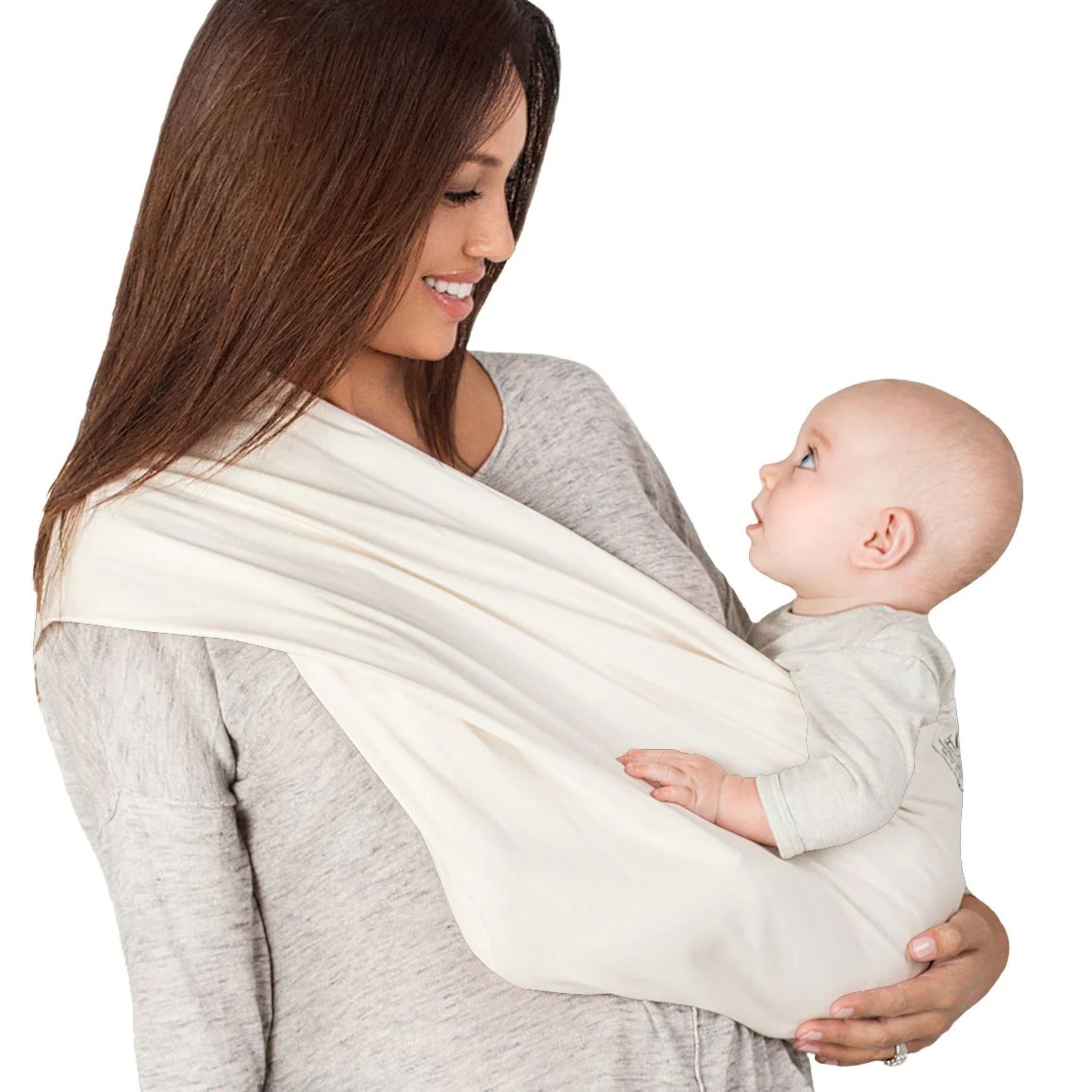
Shorter piece of fabric with rings sewn into one end for adjustment. Look for organic cotton or linen fabric with aluminum or stainless steel rings (never plastic). Ring slings are quick to put on and adjust, making them perfect for short carries and nursing. The rings should be specifically designed for babywearing (not craft rings).
Mei Tai (Asian-Inspired) Carriers
Panel carrier with four straps that tie around your body. Look for organic cotton or linen body panels with minimal or no padding. The straps should be the same natural fabric as the body. Mei tais offer a middle ground between wraps (which require wrapping) and structured carriers (which have buckles).
Structured Buckle Carriers
Pre-formed carriers with padded straps and buckle closures. This is where material quality varies most. Look for organic cotton or linen body panels, minimal foam padding (or wool/cotton batting instead), metal buckles and hardware, and adjustable without excessive padding. Many popular brands use synthetic fabrics and thick foam padding, so read materials lists carefully.
Stretchy Wraps
Made from stretchy knit fabric (usually a cotton-spandex blend). While the cotton can be organic, the spandex is always synthetic (made from polyurethane). These are best for newborns but lose support as baby gets heavier. If you choose a stretchy wrap, look for organic cotton content and minimal synthetic fiber percentage.
Stroller Material Considerations
Frame Material
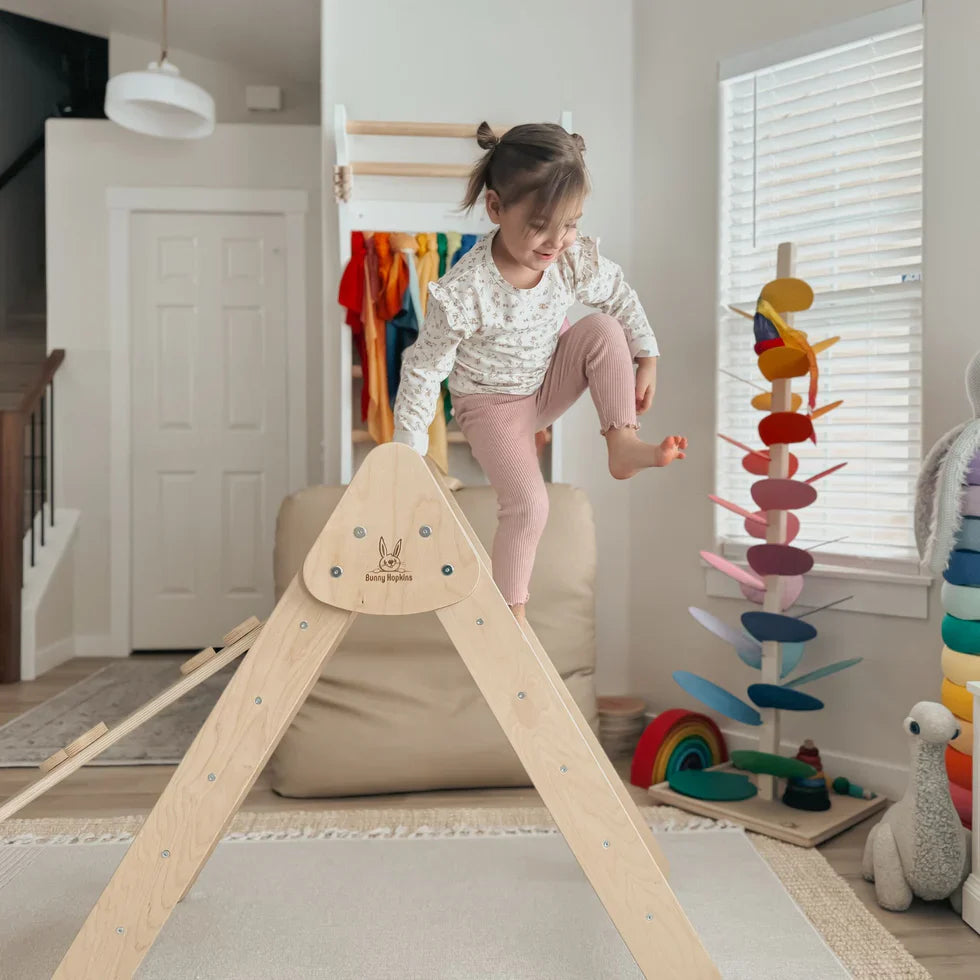
Aluminum frames are lightweight, durable, and don't contain BPA or phthalates like plastic frames do. Steel frames are heavier but even more durable. Avoid strollers with significant plastic in the frame structure, especially if the stroller will be stored in hot cars or left outside in the sun.
Seat Fabric
Most stroller seats are made from synthetic fabrics (polyester, nylon) because they're durable and weather-resistant. If you can find organic cotton or linen options, that's ideal. If not, look for seats with removable, washable covers so you can replace them with natural fiber alternatives or add an organic cotton liner.
Seat Padding
Like carrier padding, stroller seat padding is often polyurethane foam treated with flame retardants. Look for strollers with minimal padding or those that use wool or cotton batting instead. You can also add your own organic cotton seat liner to create a barrier between baby and any synthetic padding.
Wheels and Brakes
Rubber or foam-filled wheels are fine (rubber is natural or synthetic, but it's not in constant contact with baby). Metal brakes and hardware are preferable to plastic. Check that wheel materials don't have a strong chemical smell.
Canopy and Sun Protection
Stroller canopies are usually synthetic fabric because they need to be UV-resistant and weather-proof. Natural fabrics like organic cotton and linen actually provide better UV protection than most synthetics (higher natural UPF), but they're not as common. Look for canopies without PFC-based water repellent treatments.
Safety & Ergonomic Considerations
Proper Positioning
Regardless of material, carriers must position baby correctly: knees higher than bottom (M-position), spine supported in natural curve, face visible and close enough to kiss, tight enough that baby doesn't slump. Material quality doesn't matter if the carrier isn't ergonomically sound.
Weight Distribution
Good carriers distribute baby's weight across your hips and shoulders, not just your shoulders. Look for wide waist belts (for structured carriers) or fabric that spreads across your back (for wraps). Natural fabrics often provide better support because they have less stretch than synthetics.
Breathability
Natural fibers (cotton, linen, hemp) breathe better than synthetics, which matters when baby is pressed against you for hours. Better breathability means less overheating and more comfort for both of you. This is especially important in warm climates or during summer.
Stroller Safety Standards
All strollers sold in the U.S. must meet ASTM safety standards for stability, brakes, restraints, and more. This is the baseline. Look for strollers that exceed minimums (5-point harness instead of 3-point, hand-brake in addition to foot brake, sturdy frame that doesn't flex).
How to Care for Carriers & Strollers
Washing Organic Cotton Carriers
Machine wash on gentle cycle with fragrance-free, plant-based detergent. Skip the dryer if possible (air-drying extends fabric life). Wash before first use to remove any residual dust from manufacturing and shipping. Organic cotton gets softer with each wash.
Breaking In Woven Wraps
New woven wraps can feel stiff. Wash and dry 2-3 times to soften. Some people steam iron them or use various "breaking in" techniques (twisting, wearing without baby first). The fabric will soften naturally with use. Don't use fabric softener, which leaves residue and reduces grip.
Cleaning Stroller Frames
Wipe down aluminum or steel frames with a damp cloth and mild soap. Avoid harsh chemicals that can damage protective coatings. Check and clean wheel axles regularly to prevent buildup that can make pushing difficult. Lubricate moving parts with food-safe oil if needed.
Maintaining Stroller Fabric
Remove seat covers and wash according to manufacturer instructions. If covers aren't removable, spot-clean with a paste of baking soda and water. Avoid chlorine bleach, which breaks down natural fibers. Air out the stroller regularly to prevent mildew, especially if stored in a garage or shed.
Storage
Store carriers and strollers in a cool, dry place out of direct sunlight. UV exposure degrades both natural and synthetic fabrics over time. If storing long-term (between kids), wash everything first and store in breathable cotton bags (not plastic bins, which can trap moisture).
Common Questions About Carriers & Strollers
Are organic cotton carriers really worth the extra cost?
For something that's in constant contact with your baby's skin for hours every day, yes. You're eliminating pesticide residues, synthetic fabrics that shed microplastics, and chemical treatments. A good organic cotton carrier will last through multiple kids and can be resold, so the cost-per-use is actually quite low.
What about carriers with some synthetic content?
Small amounts of spandex or elastic in an otherwise organic cotton carrier (like in stretchy wraps) are a reasonable compromise for function. The key is to avoid carriers that are predominantly synthetic. Look for at least 95% natural fiber content.
Can I buy a used carrier or stroller safely?
Used carriers made from natural fibers are generally safe (just wash thoroughly before use). For strollers, check for recalls, inspect the frame for cracks or damage, and make sure all safety features (brakes, harnesses) work properly. Replace any worn parts before using. Avoid used items with heavy wear or strong odors.
How do I know if a stroller frame contains BPA?
If the frame is aluminum or steel, it doesn't contain BPA (BPA is only in plastics). If there are plastic components, look for "BPA-free" labels or contact the manufacturer. The safest bet is choosing strollers with minimal plastic in the frame structure.
What about mesh panels for breathability?
Mesh panels in carriers are usually synthetic (polyester or nylon). While they do provide ventilation, they also shed microplastics. A better option is choosing carriers made from naturally breathable fabrics like linen or lightweight organic cotton that don't need mesh panels.
Do I need both a carrier and a stroller?
It depends on your lifestyle. We used a carrier almost exclusively for the first 6 months (Levi preferred being close, and it was easier for getting around). The stroller became more useful once he wanted to see the world and was too heavy to carry for long periods. Many families do fine with just a carrier for the first year.
The Bottom Line
Baby carriers and strollers are in constant contact with your baby for hours every day. Materials matter just as much as they do for clothing. Choose GOTS-certified organic cotton, linen, or hemp carriers with minimal padding and metal hardware. For strollers, prioritize aluminum or steel frames over plastic and look for natural fiber fabrics when possible.
Avoid synthetic fabrics that shed microplastics, foam padding that contains flame retardants, plastic components that can leach BPA and phthalates, and PVC accessories. Natural fiber carriers breathe better, last longer, and don't expose your baby to unnecessary chemicals.
Every carrier and stroller in our collection has been vetted by Kyle and Amanda for material safety. No synthetic fabrics unless absolutely necessary, no flame retardant padding, no questionable plastic components. Just clean, safe options for keeping your baby close.
Vetted by our co-founders Kyle Fitzgerald (@cleankitchennutrition, 700K+ followers) and Amanda Rocchio (@meowmeix, 1.6M+ followers), who bring extensive ingredient expertise to every product we feature.